Over 38% of American adults have high cholesterol—and most don’t know that diet alone can dramatically fix it. Managing cholesterol levels is a primary goal for many, particularly for those looking to optimize their heart health without immediate reliance on medication. While various clinical diets have been rigorously studied, the sheer volume of information can be overwhelming. In this blog, we explain how to lower cholesterol naturally and which dietary program is right for you.
“According to the American Heart Association, lifestyle interventions remain the cornerstone of effective cholesterol management.”
⚡ LIMITED OFFER — 57% OFF: Only $7 Today
Science-Backed Nutrition Guide
The 7-Day Cholesterol Reset
Our #1 protocol to lower LDL naturally without pills.
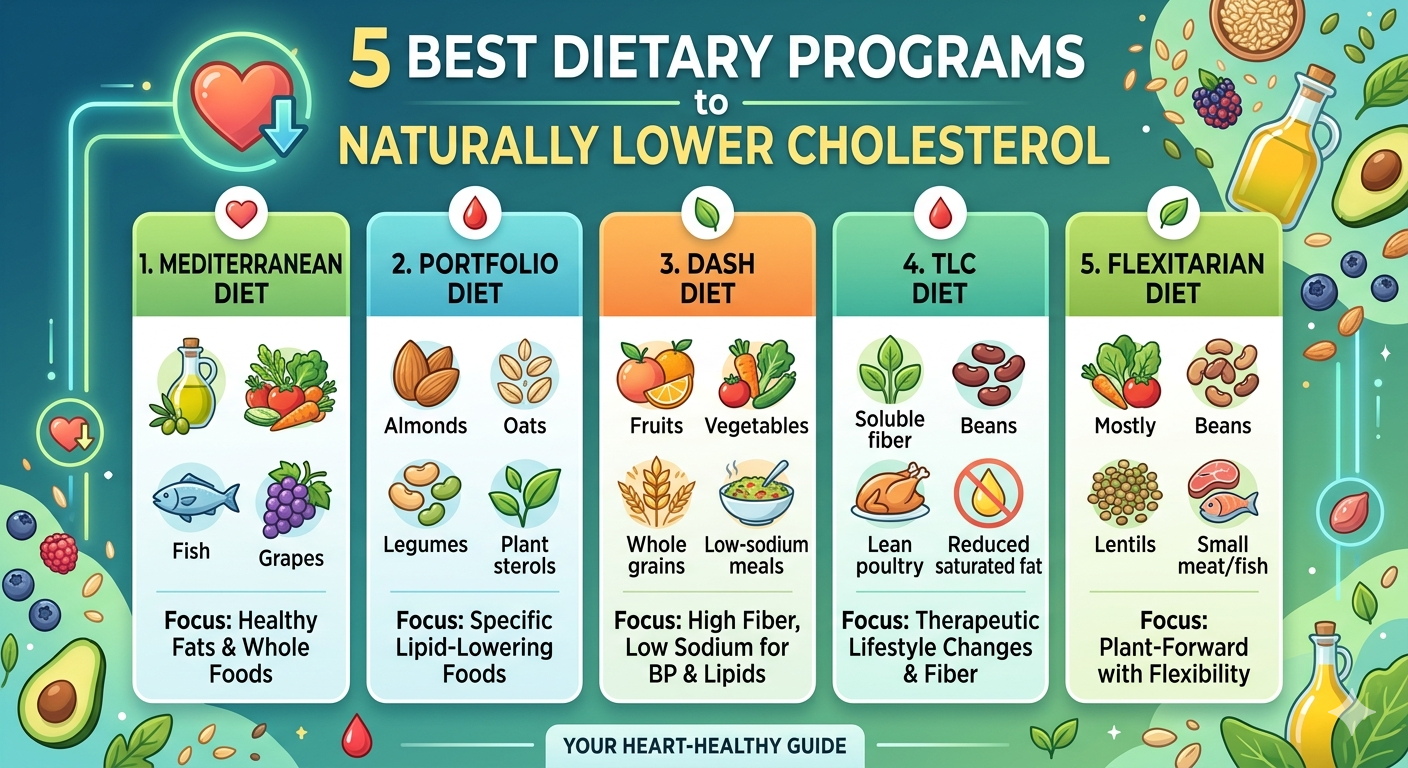
Below is a comparative guide to the top five scientifically recognized dietary programs for their impact on cholesterol, designed to help you understand your options.
Foods that reduce LDL cholesterol
Table of Contents
1. The Mediterranean Diet
Often regarded as the “gold standard” for heart health, this diet focuses on plant-based foods, healthy fats, and lean proteins.
What it involves: High intake of vegetables, fruits, legumes, nuts, whole grains, and olive oil; moderate consumption of fish and poultry; and limited red meat and sweets.
What the research says: Extensive studies consistently link this diet to significant reductions in LDL (bad) cholesterol and improved overall cardiovascular health.
Who it suits best: Those looking for a sustainable, long-term lifestyle change rather than a restrictive “short-term” diet.
2. The Portfolio Diet
This is a highly structured, therapeutic diet specifically designed to lower cholesterol.
What it involves: It emphasizes four specific cholesterol-lowering food groups: viscous fiber (oats, barley), plant sterols (fortified foods), soy protein, and nuts.
What the research says: It is nearly as effective as low-dose statin therapy in reducing LDL cholesterol when followed strictly.
Who it suits best: Individuals who are highly disciplined and looking for a clinical, science-backed approach to target cholesterol numbers aggressively.
3. The DASH Diet
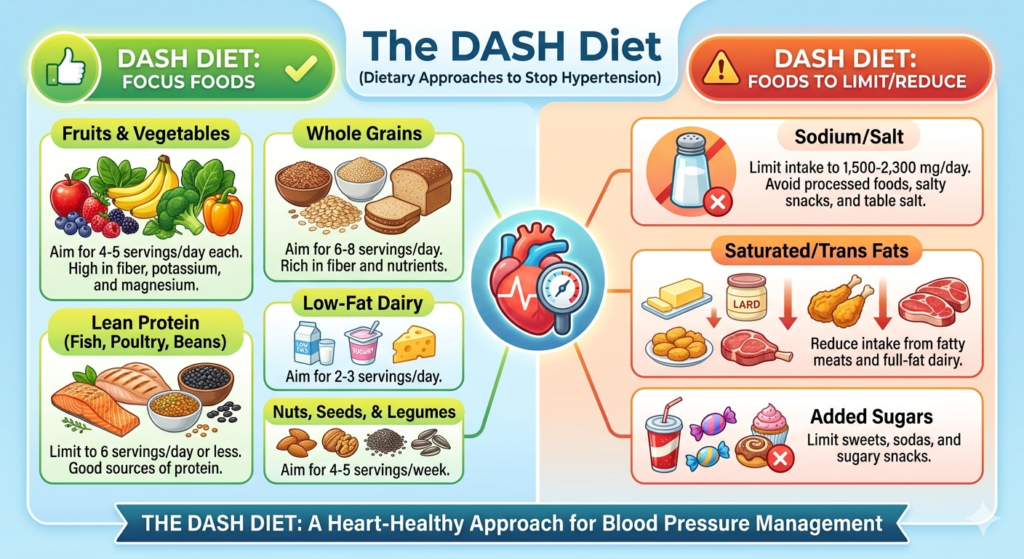
Originally designed to combat hypertension, the Dietary Approaches to Stop Hypertension (DASH) is equally effective for lipid profiles.
What it involves: Rich in fruits, vegetables, low-fat dairy, and whole grains. It is strictly limited in sodium, saturated fats, and sugar-sweetened beverages.
What the research says: DASH effectively lowers both blood pressure and cholesterol levels, making it a “two-for-one” benefit for heart health.
Who it suits best: Individuals who are also managing high blood pressure or those who prefer a structured, government-approved nutritional framework.
4. The TLC Diet
The Therapeutic Lifestyle Changes (TLC) diet was created by the National Institutes of Health.
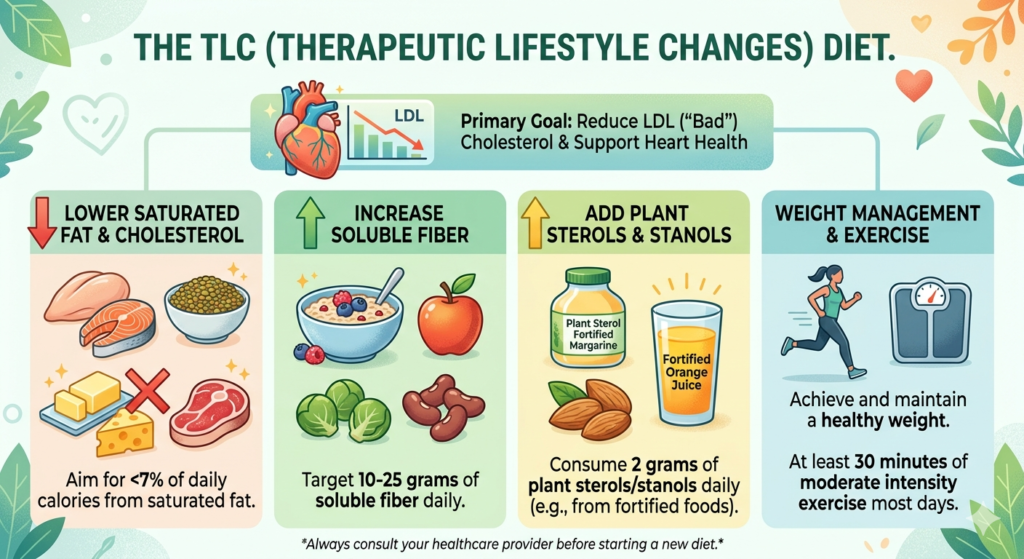
What it involves: A rigorous reduction of saturated fat (less than 7% of daily calories) and cholesterol-increasing foods, accompanied by increased soluble fiber and physical activity.
What the research says: It is a classic clinical approach designed specifically to lower serum cholesterol levels effectively.
Who it suits best: People who prefer a prescriptive, doctor-recommended structure with clear guidelines on fats and activity.
5. The Plant-Based/Flexitarian Diet
This approach minimizes animal products without requiring their complete exclusion.
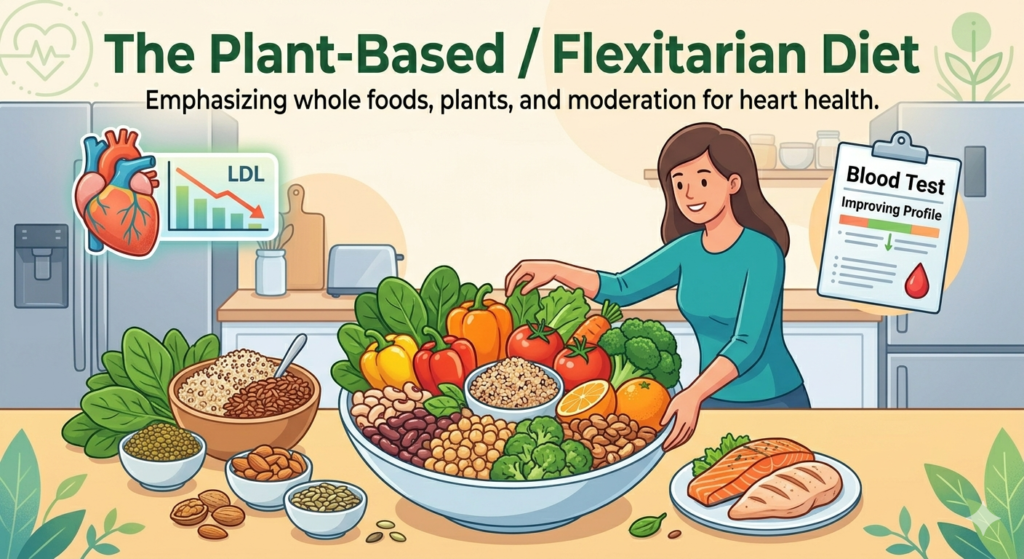
What it involves: Focusing on whole, plant-derived foods as the base of every meal, allowing for occasional meat or dairy consumption based on personal preference.
What the research says: Significant decreases in total cholesterol are noted due to the high fiber and low saturated fat content inherent in plant-heavy eating.
Who it suits best: Individuals who want flexibility while prioritizing plant-based nutrition for heart health.
Now let’s go in-depth into each diet style and understand:
1. The Mediterranean Diet
The Mediterranean Diet
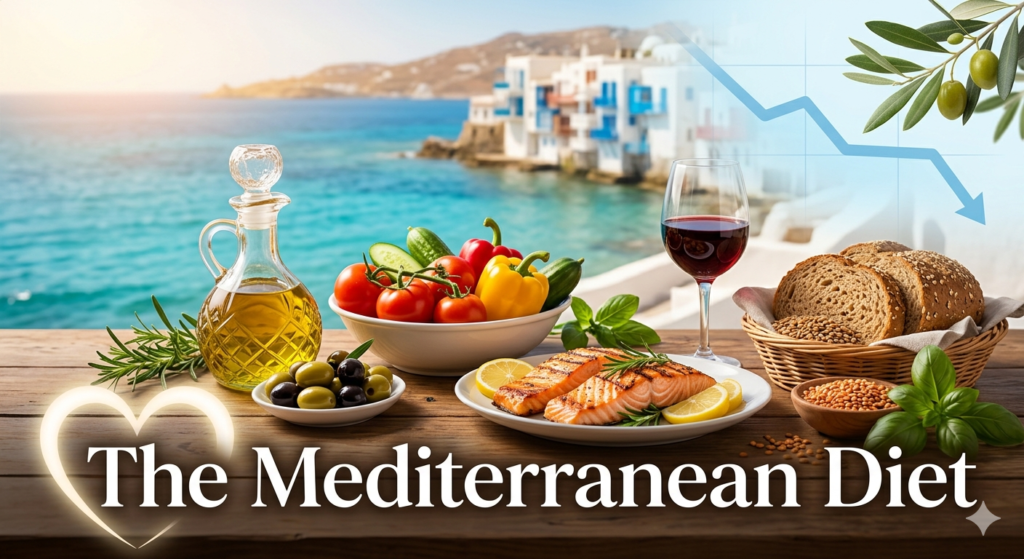
The Mediterranean diet is not merely a diet but a lifestyle inspired by the eating habits of people in Greece and Italy. It involves eliminating processed foods and focusing instead on real, fresh ingredients.
What to Eat:
Olive oil (the primary source of fat), nuts, seeds, legumes, fruits, vegetables, and whole grains. Fish and poultry should be consumed in moderation, while red meat and sugar should be consumed only occasionally (rarely).
Why It’s Good for Cholesterol:
This diet is rich in “monounsaturated fats,” which boost “good” HDL cholesterol levels while lowering “bad” LDL cholesterol. It also helps reduce inflammation.
If you want to understand exactly how much olive oil or nuts should be included in your daily diet, try using our FREE Diet Plan Generator. It will provide you with customized portion sizes, allowing you to naturally manage your cholesterol the Mediterranean way.
What the Research Says:
Studies have proven that the Mediterranean diet can reduce the risk of heart attacks and strokes by up to 30%. It is beneficial not only for cholesterol management but for overall metabolic health as well.
Practical Tips:
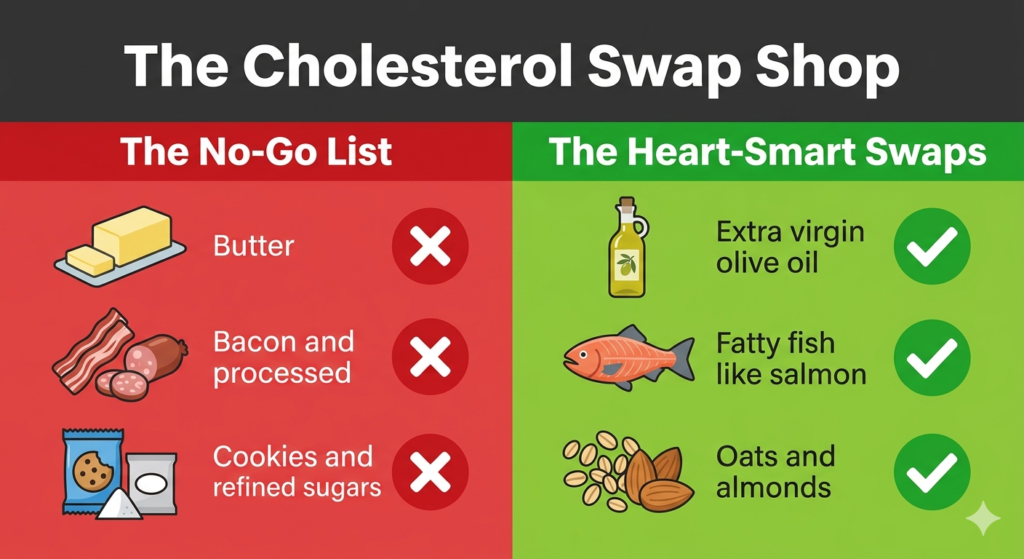
Use olive oil as a substitute for butter.
For snacks, opt for a handful of almonds or walnuts instead of chips.
Eat fish (rich in omega-3 fatty acids) at least twice a week.
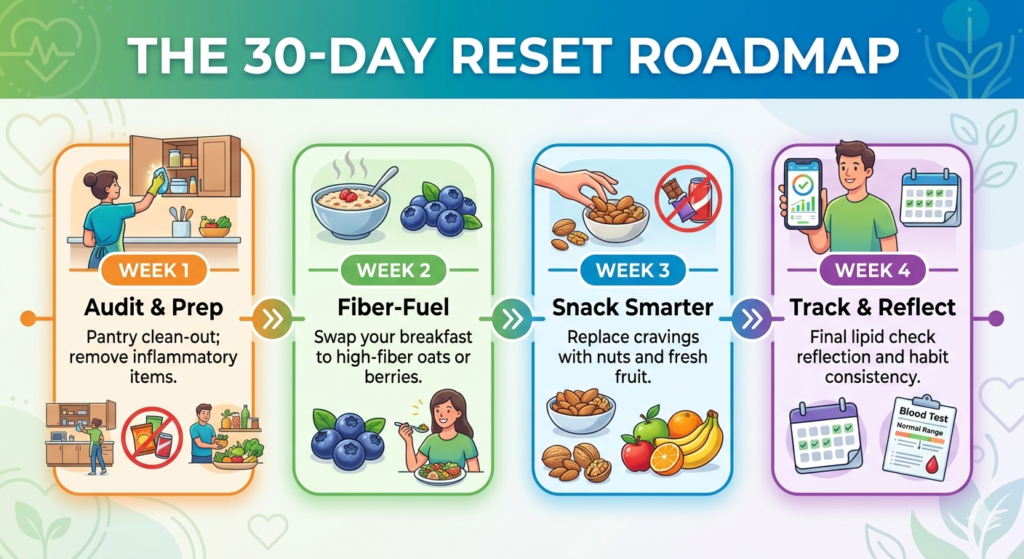
If you are just starting this diet and are looking for a structured approach, our 30-Day Cholesterol Reset Plan offers the perfect framework—translating Mediterranean principles into practical daily meals.
2. The Portfolio Diet
Heart-healthy diet plan for cholesterol
The Portfolio Diet is no ordinary diet plan; it is a “dietary portfolio” specifically designed to treat high cholesterol. It is named “Portfolio” because, just as an investor diversifies their portfolio to mitigate risk, this diet combines multiple cholesterol-lowering foods to effectively reduce LDL cholesterol.
How it works:
This diet rests on four main pillars. When you incorporate these four elements into your daily routine simultaneously, their combined effect yields results comparable to those of statin medication (cholesterol-lowering drugs).
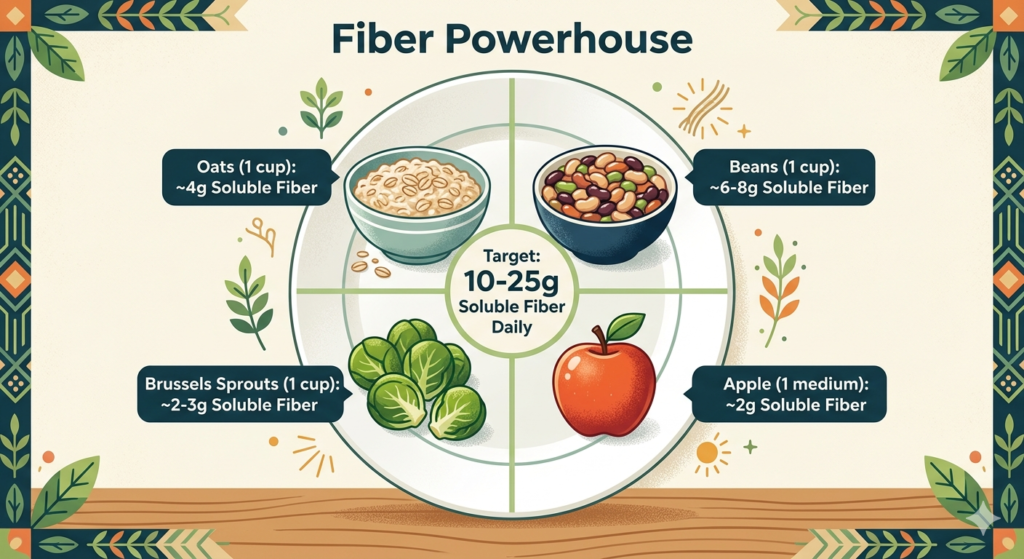
Viscous Fiber: Oats, barley, psyllium, and beans. These create a gel-like substance within your digestive system that traps cholesterol before it can be absorbed and helps flush it out of the body.
Plant Sterols: These are natural compounds found in plants. They structurally resemble cholesterol; consequently, your body attempts to absorb these sterols instead of cholesterol, thereby lowering the cholesterol levels in your bloodstream.
Soy Protein: Consuming soy protein as an alternative to meat and dairy products helps in lowering LDL cholesterol.
Nuts: Almonds, walnuts, and pistachios—these are powerhouses of healthy fats and fiber.
Why it is the best for cholesterol?
Research studies have demonstrated that when an individual strictly adheres to the Portfolio Diet, they can reduce their LDL cholesterol levels by 20% to 30%. This serves as a “gold-standard” approach for those who wish to manage their cholesterol levels solely through natural foods, without experiencing any side effects.
Implementation Tip:
Implementing the Portfolio Diet can be somewhat challenging, as it requires careful attention to specific food choices and quantities. If you need guidance on the precise daily intake of fiber and nuts required for your needs, you can utilize our Diet Plan Generator. This tool will provide you with a personalized roadmap, enabling you to easily follow the principles of the Portfolio Diet.
If you find the scientific structure of the Portfolio Diet challenging to follow, our 30-Day Cholesterol Reset Plan could be a lifesaver for you. We have integrated the four pillars of the Portfolio Diet into this plan so that you don’t have to perform the calculations yourself. All you need to do is follow the plan and observe the results.
Real-life Application:
Consistency is essential with this diet. It is not a matter of eating oats one day and fast food the next—the “portfolio effect” of the Portfolio Diet works only when you incorporate these specific ingredients into your daily meals.
“A study referenced in PubMed suggests that this specific combination of foods can be as effective as some pharmaceutical interventions.”
3. The DASH Diet
The DASH Diet
DASH stands for “Dietary Approaches to Stop Hypertension.” As the name suggests, this diet was specifically designed to manage blood pressure; however, years of research have proven that it is equally powerful for managing LDL cholesterol and improving overall heart health.
How it Works:
The DASH diet is not a temporary fad diet; it is a “nutrient-dense” eating pattern. Its primary focus lies on foods that are rich in minerals—specifically potassium, calcium, and magnesium. These minerals help relax blood vessels and maintain healthy blood pressure levels. Additionally, this diet drastically reduces the intake of saturated fats and sodium (salt), which are the leading culprits behind high cholesterol and hypertension.
Key Components:
Fruits and Vegetables: 4-5 servings per day. These are an excellent source of fiber.
Whole Grains: Opt for brown rice, oats, and quinoa instead of refined flour (maida).
Low-fat Dairy: To increase calcium intake.
Lean Proteins: Consume poultry and fish while strictly minimizing red meat consumption.
Why is it best for cholesterol?
The DASH diet’s low sodium and saturated fat content—combined with its high fiber levels—helps the liver reduce cholesterol production. This means that when you follow the DASH diet, you are not only lowering your risk of a heart attack but also actively helping to keep your arteries clean.
The biggest challenge when following the DASH diet is maintaining proper portion control and nutrient balance. If you are unsure about how many servings of vegetables or grains you should consume in a day, try using our Diet Plan Generator. This tool will generate DASH-aligned meal plans tailored to your specific personal needs, eliminating the need for guesswork.
Furthermore, the effectiveness of the DASH diet is significantly enhanced when combined with regular physical activity. If you are unsure how to get started, our Workout Generator will create a routine for you that boosts cardiovascular health—a major requirement of the DASH diet.
IQ4U Perspective:
We have incorporated some of the best principles of the DASH diet into our 30-Day Cholesterol Reset Plan. If you feel that adhering to all the rules of the DASH diet is a bit challenging given a busy lifestyle, our 30-day reset offers you those very same benefits in a simplified and structured manner. It acts as a “shortcut” for you, delivering healthy results without getting you bogged down in complex clinical protocols.
Summary:
The DASH diet serves as a perfect entry point for those looking to achieve a “long-term” fix for their health. It is sustainable, delicious, and its health benefits are fully backed by science.
“Supported by the National Institutes of Health (NIH), the DASH approach provides a proven framework for those managing both heart health and blood pressure.”
4. The TLC (Therapeutic Lifestyle Changes) Diet
The TLC (Therapeutic Lifestyle Changes) Diet
The Therapeutic Lifestyle Changes (TLC) diet, developed by the National Institutes of Health (NIH), is a highly structured and clinical approach. This diet is not merely “about food”; it addresses all those lifestyle factors that contribute to elevated cholesterol levels. It is perfect for individuals seeking clear, doctor-style guidelines free from any ambiguity.
Main Pillars of the TLC Diet:
The core objective of the TLC diet is to keep saturated fats below 7% of your total caloric intake. This implies that you must almost entirely eliminate red meat, butter, and high-fat dairy products from your diet. Furthermore, this diet emphasizes increasing the intake of soluble fiber (10–25 grams per day) and plant sterols/stanols (2 grams per day).
How It Works:
When you reduce your saturated fat intake to such low levels, your body receives less raw material required to produce cholesterol. Soluble fiber acts like a natural “sponge,” absorbing cholesterol during digestion and preventing it from entering the bloodstream.
Why It Is Best for Cholesterol:
The primary advantage of the TLC diet lies in its “preventive” nature. Studies have demonstrated that following TLC guidelines leads to a significant reduction in LDL levels. This diet does not merely claim to “lower cholesterol”; rather, it provides a blueprint for how you can synchronize your daily habits—such as physical activity—with your dietary choices.
Physical activity plays a critical role in the TLC diet—specifically, at least 30 minutes of moderate exercise daily. If you are serious about your exercise routine, you can utilize our Workout Generator to generate specific, heart-health-focused routines tailored to your individual fitness levels. Incorporating the rules of the TLC diet into a busy lifestyle requires a certain degree of discipline, and this is precisely where our Diet Plan Generator comes to your aid—it will assist you in tracking your macronutrient goals (specifically your fat limit).
IQ4U Perspective:
We recognize that the structured and prescriptive nature of the TLC diet can sometimes feel overwhelming for beginners. If you find calculating the 7% saturated fat limit to be a challenge, our 30-Day Cholesterol Reset Plan automates this entire process. This plan translates the core principles of the TLC diet into simplified meals, allowing you to achieve the same clinical results without the need for any complex calculations.
Summary:
The TLC diet is designed for individuals who seek “evidence-based results” and are prepared to commit to a lifestyle transformation with discipline. It represents a long-term investment that can significantly extend the healthy lifespan of your heart.
5. The Plant-Based / Flexitarian Diet
The Plant-Based Flexitarian Diet
If you feel that the diets mentioned above involve too many restrictions, the “Flexitarian” diet offers a perfect middle ground for you. This diet is a combination of “flexible” and “vegetarian.” This means that you fill 80–90% of your plate with plant-based foods (vegetables, fruits, grains, and legumes), but you do not need to give up meat or dairy entirely.
How it works:
The secret to lowering cholesterol on the Flexitarian diet lies in “fiber” and “phytonutrients.” When you incorporate more beans, lentils, and whole grains into your diet, you naturally increase your fiber intake. Fiber works by binding to cholesterol and helping to eliminate it from the body. Additionally, when you reduce your meat intake, you automatically lower your consumption of saturated fats and cholesterol.
Why is it best for cholesterol?
Research indicates that individuals who follow a “plant-forward” diet tend to have significantly lower LDL cholesterol levels. The greatest advantage of this diet is its “sustainability.” Because it is not overly restrictive, people can adhere to it for years on end. “Consistency” is paramount when it comes to lowering cholesterol, and the Flexitarian diet makes maintaining that consistency easier than any other approach.
The flexitarian diet offers a great deal of variety, yet people sometimes forget that “plant-based” doesn’t simply mean eating salads. To understand how to strike the right balance, try using our Diet Plan Generator. It will guide you on how to maintain the optimal ratio of protein and fiber, ensuring that your energy levels remain high while your cholesterol stays under control.
If you wish to take your physical activity to the next level alongside this diet, be sure to use our Workout Generator. This will reveal which exercises align best with your plant-based energy levels, helping you achieve fitness results faster.
IQ4U Perspective:
We understand that when starting a flexitarian diet, people often find themselves confused, wondering, “What should I cook today?” Our 30-Day Cholesterol Reset Plan is designed to solve this very problem. We have crafted this plan specifically to ensure you reap all the benefits of flexitarian principles—without constantly worrying about whether you’ve consumed sufficient protein for the day. It serves as a stress-free roadmap for you, transforming healthy eating into a fresh and enjoyable experience.
Summary:
The Flexitarian approach represents a “modern solution” for cholesterol management. It is ideal for those who desire variety in their diet but are unwilling to compromise on their heart health.
Comparison Table of all diets:
Diet Program
Core Focus
Primary Benefit
Best For
Est. LDL Reduction
Mediterranean
Healthy fats & Whole foods
Heart longevity
Long-term lifestyle change
10–15%
Portfolio
4 Specific cholesterol-lowering foods
Aggressive LDL reduction
Those wanting clinical results
20–30%
DASH
Low Sodium & Nutrient-dense
BP & Cholesterol control
Hypertension & Lipid management
10–14%
TLC Diet
Fat restriction & Fiber
Targeted cholesterol drop
Those needing clear rules
15–20%
Flexitarian
Plant-based with flexibility
Sustainable fiber intake
Beginners to healthy eating
8–12%
Real-Life Case Studies:
Case Study 1: The “Busy Executive” Approach. Mark, 45, had high LDL due to frequent travel and fast food. By switching to the Mediterranean-style “on-the-go” snacks (nuts, apples) and implementing our 30-Day Reset, he saw a 15% drop in LDL in one month without a major overhaul.
Case Study 2: The “Fiber Enthusiast.” Sarah, 52, struggled with borderline cholesterol. She focused solely on the “Portfolio Diet” principles—increasing legumes, oats, and plant sterols. Her consistency with a structured plan helped her avoid medication.
Case Study 3: The “Hidden Sugar” Culprit. David, 48, thought he was eating “healthy” but kept his cholesterol high with processed “low-fat” snacks. By shifting to whole foods and following a structured 30-day reset program, he stabilized his numbers by cutting hidden inflammatory sugars.
FAQs – Most Frequently Asked Questions:
The Mediterranean and Portfolio diets are widely considered the most effective for lowering LDL cholesterol naturally.
Many see improvements within 30 days of consistent dietary and lifestyle changes.
Yes, it is excellent for managing blood pressure and improving overall cholesterol profiles.
Most healthy people can eat eggs in moderation; however, monitor your total saturated fat intake.
Aim for 10-25g of soluble fiber daily to effectively lower LDL levels.
Try to eliminate trans fats and limit processed meats and refined sugars.
It is a plant-based diet focusing on nuts, viscous fiber, plant sterols, and soy protein.
Yes, because it is flexible and allows for occasional meat consumption while prioritizing plants.
It binds cholesterol in the digestive system and helps remove it from the body.
Unfiltered coffee contains cafestol, which can slightly raise cholesterol levels in some people.
Yes, nuts contain healthy fats and fiber that help lower LDL cholesterol.
Chronic stress can indirectly lead to higher cholesterol through poor diet and unhealthy habits.
Losing even a small amount of weight can significantly improve your cholesterol numbers.
Alcohol should be consumed in moderation, as excessive drinking can raise triglyceride levels.
Absolutely, it remains a gold-standard approach for heart-healthy living.
Tracking helps, but focusing on food quality is more important for cholesterol management.
They are substances that block the absorption of cholesterol in the gut.
Consult your doctor, but generally, every 6 months is recommended for those managing high levels.
Yes, by choosing grilled or steamed options and avoiding fried foods, you can easily stay on track.
A Practical Starting Point: The 30-Day Cholesterol Reset
Simple dietary changes for heart health
While the clinical programs mentioned above are excellent, they can be complex to implement in a busy, modern lifestyle. If you are looking for a structured, accessible entry point, the IQ4U 30-Day Cholesterol Reset Plan is designed to bridge the gap.
This isn’t just another diet list; it is a comprehensive, actionable framework tailored for real life. Inside the plan, you get:
Daily Meal Templates: Designed specifically for busy schedules so you never have to guess “what’s for dinner.”
Smart Grocery Lists: To save you time and focus your shopping on heart-healthy essentials.
Progress Tracking: An easy way to monitor your habits as they shift toward better heart health.
It takes the guesswork out of complex clinical frameworks, providing you with a pre-planned path to improve your lipid profile without the steep learning curve. Start your reset journey here and transform your cholesterol management from a complicated chore into a manageable daily habit that actually sticks.
Who is this for?
Perfect for the busy professional, the parent on the go, or anyone tired of confusing medical jargon who wants a clear, step-by-step path to lower cholesterol.
Why 30 days?
We focus on 30 days because it’s the scientifically proven window to break old habits and build new, heart-healthy rituals that actually last.
Mission: Making a positive health impact on 10 million families worldwide.
Irshad Quadri helps everyday Americans take control of their cholesterol and heart health — naturally, without giving up the foods they love. At iq4u81.blog, he shares science-backed diet tips, easy cholesterol-friendly meal ideas, and practical guides trusted by readers across the USA. He is also a published Amazon Author on cholesterol health.