
Last Updated on February 14, 2026 by Irshad Quadri
1. Introduction
Green Coffee – A Natural Health Booster
You may have heard of green coffee, but its magic isn’t limited to weight loss. Green coffee beans are unroasted, containing more chlorogenic acid – a powerful antioxidant that boosts metabolism. This acid slows the body’s fat absorption and helps improve lipid profiles. If you’re looking for natural ways to lower triglyceride levels, green coffee could be a promising option.
Triglyceides – The Hidden Villain of Heart Health
Triglycerides are a type of fat that circulates in the blood, and when they become high, they increase the risk for heart disease. High triglyceride levels can increase the risk of stroke, heart attack, and diabetes. Your goal should be to maintain lipid control, and diet and lifestyle play a major role in this. Green coffee benefits for cholesterol and triglycerides have been studied extensively – with some promising results.
Green Coffee Triglyceride Effects – What Does Science Say?
Research suggests that chlorogenic acid may help reduce triglycerides, but results are still mixed. In some studies, green coffee extract improved lipid profiles, while others found no noticeable effect. However, if you combine green coffee with a healthy diet and exercise, you may experience better results. Green coffee for weight and lipid control can be a smart combination – especially if you avoid processed sugar and trans fats.
So if you want to manage your triglyceride levels naturally, green coffee is a try-worthy option. Be patient and make smart lifestyle changes – it can be a small investment in heart health.
Table of Contents
2. What is Green Coffee?
What is Green Coffee – How is it different from Roasted Coffee?
Green coffee is coffee beans that have not been roasted. When coffee beans are roasted, many of their natural compounds are reduced by heat. The most important compound in green coffee is chlorogenic acid, which is largely destroyed during the roasting process. Therefore, consuming green coffee in its raw and natural form is considered more beneficial.
Roasted coffee has a strong and bitter taste, while green coffee has a mild and slightly herbal flavor. If you drink coffee not just for caffeine but also for health benefits, green coffee may be a better choice.
Chlorogenic Acid – Green Coffee’s Super Compound
Green coffee’s hero ingredient is chlorogenic acid, a powerful antioxidant. This compound slows the body’s glucose absorption, regulates fat metabolism, and helps maintain lipid levels. Chlorogenic acid also plays a role in reducing triglycerides, which is important for heart health.
If you’re wondering about green coffee’s triglyceride effects, chlorogenic acid is the main reason. This compound is also used for cholesterol and weight control.
3. Green Coffee Triglyceride Effects
Green Coffee Triglyceride Effects – The Connection Between Fat Metabolism and Heart Health
If you want to naturally control your triglyceride levels, green coffee can be an interesting option. It contains chlorogenic acid – an antioxidant that influences fat metabolism and helps improve lipid profiles. When we consume green coffee, the body’s glucose absorption slows, which reduces insulin spikes and controls fat storage.
Green coffee differs from roasted coffee because the chlorogenic acid is largely destroyed during the roasting process. Therefore, consuming green coffee in its raw form is more effective, especially if you are conscious about heart health and cholesterol.
Effect of Green Coffee on Fat Metabolism
Fat metabolism refers to how your body processes fat – converting it into energy or storing it. Chlorogenic acid tweaks this process, improving fat breakdown and naturally lowering triglyceride levels. When you combine green coffee with a regular diet and exercise, you may experience better results.
Some people use green coffee for weight loss, but it also has an impact on lipid control. If you avoid processed foods and sugary drinks, the effects of green coffee may be even stronger.
Studies Show Triglyceride Reduction
Several studies have shown that green coffee extract helps reduce triglyceride levels. In one study, overweight adults were given a green coffee supplement, and after a few weeks, a noticeable reduction in their blood triglyceride levels was observed. In other studies, chlorogenic acid also reduced LDL cholesterol and total cholesterol, which is a positive sign for heart health.
Yes, not all studies are consistent – in some research, the effect has been mild or even negligible. But when green coffee is used as part of a healthy lifestyle, the chances of long-term benefits increase.
Chlorogenic Acid – Natural Regulator of Triglycerides
Chlorogenic acid’s function isn’t limited to being just an antioxidant. This compound influences liver enzymes that play a role in fat synthesis and breakdown. It also affects insulin sensitivity, controlling both blood sugar and fat storage. When insulin spikes are reduced, triglycerides naturally decrease.
If you’re serious about green coffee’s triglyceride effects, chlorogenic acid is the main driver. This compound makes green coffee a smart choice for cholesterol, weight control, and heart health.
So the next time you plan your morning routine, consider a cup of green coffee – it may be quietly balancing your lipid levels.
4. Green Coffee Benefits for Cholesterol
Green Coffee Benefits for Cholesterol – A Natural Lipid Balancer
If you want to naturally manage your cholesterol levels, green coffee can be a smart choice. It contains chlorogenic acid – an antioxidant that regulates lipid metabolism. This compound supports HDL (good cholesterol) and helps reduce LDL (bad cholesterol).
In one study, chlorogenic acid significantly improved the HDL/total cholesterol ratio, which improves heart health. Its anti-inflammatory and glucose-regulating effects also have a positive impact on lipid profiles.
How does it help increase HDL?
HDL cholesterol is protective for the body – it transports excess fat from cells to the liver where it breaks down. The antioxidant properties of green coffee’s chlorogenic acid boost HDL, reducing your overall cardiovascular risk.
How does it lower LDL and total cholesterol?
LDL cholesterol deposits in arteries, increasing the risk of blockage and heart attack. Green coffee extract has reduced LDL and total cholesterol in several studies. In one animal study, 100–200 mg/kg of green coffee extract significantly reduced LDL and total cholesterol.
Link Between Cholesterol and Triglycerides
Cholesterol and triglycerides are closely linked. When your triglyceride levels are high, LDL levels also increase and HDL levels decrease. Green coffee helps balance both – making it a holistic lipid control option.
Real-World Case Study
One published review found that diabetic mice were given chlorogenic acid, which improved their glucose tolerance, lipid metabolism, and HDL levels. On the other hand, there’s a testimonial on Zeroharm’s blog where a user managed their cholesterol using green coffee extract – their LDL decreased and energy levels improved.
If you’re looking to naturally control cholesterol and triglyceride levels, green coffee can be a safe and effective option. Incorporating it along with lifestyle changes may be beneficial for long-term heart health.
5. Chlorogenic Acid Triglycerides Connection
Chlorogenic Acid – A Powerful Fat Regulator
Chlorogenic acid is the main active compound in green coffee, which regulates glucose metabolism and fat breakdown. When you consume green coffee, chlorogenic acid slows the body’s glucose absorption, thereby reducing insulin spikes and controlling fat storage. This process helps naturally lower triglyceride levels.
To dive deeper, chlorogenic acid influences liver enzymes – these enzymes play a role in fat synthesis and breakdown. This means that this compound slows the production of triglycerides and speeds their breakdown.
Scientific Studies That Support This
A study published in the Journal of Food and Nutrition Research showed that chlorogenic acid significantly reduces lipid accumulation in 3T3-L1 adipocyte cells. Read the study here.
On the other hand, a review article in the journal MDPI Nutrients states that chlorogenic acid holds promising therapeutic potential for metabolic health – especially in managing lipid profiles, insulin resistance, and inflammation. Explore the review here.
These studies suggest that chlorogenic acid is not only an antioxidant, but also a metabolic modulator that may be quite effective in balancing triglyceride levels.
Natural Antioxidant and Anti-inflammatory Effects
Chlorogenic acid is a natural antioxidant that reduces oxidative stress – the very condition that increases inflammation and causes lipid imbalance. When inflammation is reduced, liver and fat cells function better, bringing both triglycerides and LDL cholesterol under control.
Its anti-inflammatory effect also improves insulin sensitivity, making glucose and fat metabolism more efficient. All of this helps to naturally lower triglyceride levels.
If you’re serious about green coffee triglyceride effects, chlorogenic acid is the backbone. This compound’s antioxidant, anti-inflammatory and metabolic benefits make it a powerful natural tool for heart health and lipid control.
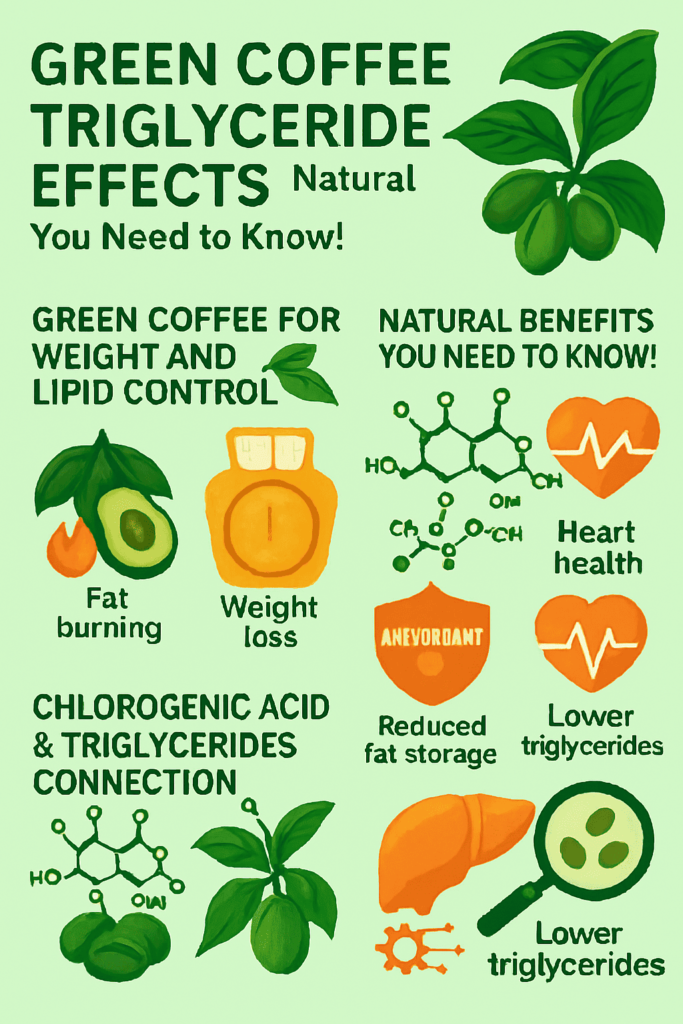
6. Green Coffee for Weight and Lipid Control
Connection between Weight Loss and Lipid Profile
When you lose weight, your lipid profile automatically improves. Obesity increases triglycerides, LDL cholesterol, and insulin resistance—a dangerous combination for heart health. Weight loss increases HDL (good cholesterol) and naturally lowers triglyceride levels. Therefore, green coffee can be a smart strategy for weight and lipid control.
Green Coffee’s Role in Fat Burning
Green coffee contains chlorogenic acid—an antioxidant that boosts fat metabolism. This compound slows glucose absorption, reducing insulin spikes and allowing the body to convert fat into energy. This process accelerates fat burning and balances lipid levels. Green coffee’s triglyceride effects are also linked to this mechanism.
If you avoid processed sugar and trans fats, and incorporate green coffee into your daily routine, you may notice noticeable changes—especially in belly fat and lipid profile.
Link between Triglycerides and Obesity
Triglyceride levels are almost always high in obesity. When the body stores excess calories, they are stored as triglycerides. This fat tends to accumulate in the liver and blood vessels, increasing the risk of heart disease. Green coffee is effective for weight and lipid control because it slows fat storage and accelerates its breakdown.
Real-Life Study Citation
A recent randomized clinical trial published in the British Journal of Nutrition showed that green coffee extract significantly improved weight, lipid profile, and insulin resistance in obese patients. Read the study here.
On the other hand, a study in the Diabetology & Metabolic Syndrome journal confirmed the anti-inflammatory and triglyceride-lowering effects of chlorogenic acid. Explore the review here.
If you want to naturally manage your weight and lipid levels, green coffee can be a safe and effective option. Chlorogenic acid controls triglycerides, boosts fat burning, and supports heart health – all in one cup.
7. Natural Ways to Reduce Triglyceride Levels (With Green Coffee as Key)
Natural Ways to Reduce Triglyceride Levels (With Green Coffee as Key)
Triglycerides are a type of fat found in your blood, and when elevated, they increase the risk of heart disease, stroke, and insulin resistance. Fortunately, there are natural ways to reduce triglyceride levels—and green coffee can be a powerful part of that plan.
Diet Tips to Lower Triglycerides Naturally
Your diet plays a major role in managing triglyceride levels. Here are some effective strategies:
- Reduce added sugars: Excess sugar converts to triglycerides. Avoid sugary drinks, desserts, and processed snacks.
- Choose low-carb foods: Refined carbs like white bread and pasta spike insulin and triglyceride production. Opt for whole grains and vegetables.
- Include omega-3 fatty acids: Foods like salmon, walnuts, flaxseeds, and chia seeds help reduce triglycerides and inflammation.
- Limit alcohol intake: Even moderate alcohol can raise triglyceride levels, especially in those with insulin resistance.
- Increase fiber: Soluble fiber from oats, psyllium husk, and fruits helps flush excess fats from the body.
Exercise and Lifestyle Changes
Physical activity is one of the most effective ways to lower triglycerides. Aim for:
- At least 30 minutes of moderate exercise daily, such as walking, cycling, or swimming.
- Strength training twice a week to build lean muscle and improve fat metabolism.
- Consistent sleep and stress management to reduce hormonal triggers that raise triglycerides.
Green Coffee as a Holistic Triglyceride Tool
Green coffee contains chlorogenic acid, a natural antioxidant that slows glucose absorption, improves insulin sensitivity, and boosts fat metabolism. These effects help reduce triglyceride production and support better lipid balance.
Unlike roasted coffee, green coffee retains its polyphenols, making it more effective for metabolic health. When combined with a clean diet and active lifestyle, it becomes a gentle but powerful tool for long-term triglyceride control.
Daily Routine for Triglyceride Management
- Start your day with a cup of green coffee.
- Eat a fiber-rich, low-sugar breakfast like oats with chia seeds.
- Incorporate movement—walk, stretch, or do light cardio.
- Include omega-3s in lunch or dinner.
- Get 7–8 hours of quality sleep every night.
Green coffee is not a magic bullet, but as part of a holistic lifestyle, it can support heart health and help reduce triglyceride levels naturally.
8. How to Use Green Coffee Safely
How to Use Green Coffee Safely
Safe Use of Green Coffee – What, When, and How Much?
Green coffee is a natural supplement that helps with fat metabolism and triglyceride control. But it’s important to use it correctly to maximize its benefits without any side effects.
Recommended Dosage – How Much Should You Take?
According to experts, the safe dosage of green coffee extract is:
- 200–400 mg per day (based on chlorogenic acid content).
- If you’re brewing pure green coffee beans, 1–2 cups daily is sufficient.
Consuming too much can cause acidity, jitters, or sleep disturbances. Therefore, moderation is key.
Best Time to Drink – When Should I Drink?
The best time to consume green coffee is:
- Morning on an empty stomach – to boost metabolism.
- 30 minutes before meals – to slow fat absorption.
Avoid at night, especially if you have sleep issues.
Who Should Avoid Green Coffee?
For some people, it’s best to avoid green coffee:
- Pregnant and breastfeeding women: The impact of caffeine and chlorogenic acid is uncertain.
- People with sensitive stomachs: May experience acidity or digestive issues.
- Those on blood pressure or diabetes medication: Interactions may occur; consult a doctor.
- Children and teens: Caffeine intake should be limited.
Final Tip
If you want to use green coffee for triglyceride control, weight loss, or heart health, take a balanced approach. Combined with a healthy diet, regular exercise, and hydration, green coffee can be an effective tool.
Whether you use capsule form or brewed beans, always read labels and choose products from trusted sources. Safety first, results second.
9. Real Life Case Studies
| Disease | Green Coffee Impact |
|---|---|
| Heart Disease | Helps lower LDL, increase HDL, and reduce triglyceride levels for better cardiovascular health. |
| Type 2 Diabetes | Improves insulin sensitivity and regulates glucose absorption, supporting blood sugar balance. |
| Obesity | Boosts fat metabolism and supports weight control by slowing fat absorption and increasing energy use. |
| Liver Health | Supports detoxification and reduces fat buildup in the liver, improving overall liver function. |
| Inflammatory Conditions | Provides antioxidant protection that reduces oxidative stress and inflammation throughout the body. |
10. FAQs
11. Trust Sources & Research
Healthline
NIH
Medical News Today
12. Conclusion
Conclusion
Green coffee offers a natural way to support better health. From lowering triglycerides and LDL cholesterol to boosting HDL and improving fat metabolism, its chlorogenic acid content makes it a smart addition to a balanced lifestyle. Combined with diet changes, regular exercise, and mindful habits, green coffee can play a meaningful role in heart health and overall wellness.
If you’re looking for a simple, natural step toward better lipid control, consider adding green coffee to your daily routine. It’s not a magic bullet, but when paired with healthy choices, it can help you move closer to your long-term health goals.
Your turn:
Share your thoughts in the comments, pass this article along to friends or family, and download our free Heart Health Checklist to start tracking your progress today.
Download Heart Health ChecklistDISCOVER OUR FREE TOOL – AI WORKOUT GENERATOR
KeySlim Drops Review 2025 – Legit Fat Burning FormulaThis post may contain affiliate links. If you click on these links and make a purchase, we may earn a small commission at no extra cost to you. We only recommend products and services that we believe add genuine value to our readers. Your support helps keep this site running and allows us to continue providing helpful content. Thank you! 🙏

About the Author
Irshad Quadri is a Health & Wellness blogger who simplifies topics like cholesterol management, weight loss, and heart health for everyday readers. On iq4u81.blog, he shares science-backed diet tips, easy recipes, and practical guides to help people live healthier — without losing the joy of food.