Last Updated on May 22, 2026 by Irshad Quadri
Introduction
Do you also feel that it’s a challenge to maintain heart health and digestion in today’s fast-paced world?
Do you know how we can combine Gluten-free diet and low cholesterol foods and make out health?
The 7-Day Cholesterol Reset
Our #1 protocol to lower LDL naturally without pills.
- Rapid Grocery "Swap-List"
- Zero-Cooking Meal Options
- Daily LDL Tracking Sheets
This blog will give you a detailed idea about how to follow a Gluten-Free Low Cholesterol Diet which is beneficial for your heart health as well as digestion.
Table of Contents
What is Cholesterol?

Cholesterol is a fat-like substance that is essential for the body, but if it increases too much, the risk of heart disease increases. It is important to reduce LDL (bad cholesterol) and maintain HDL (good cholesterol).
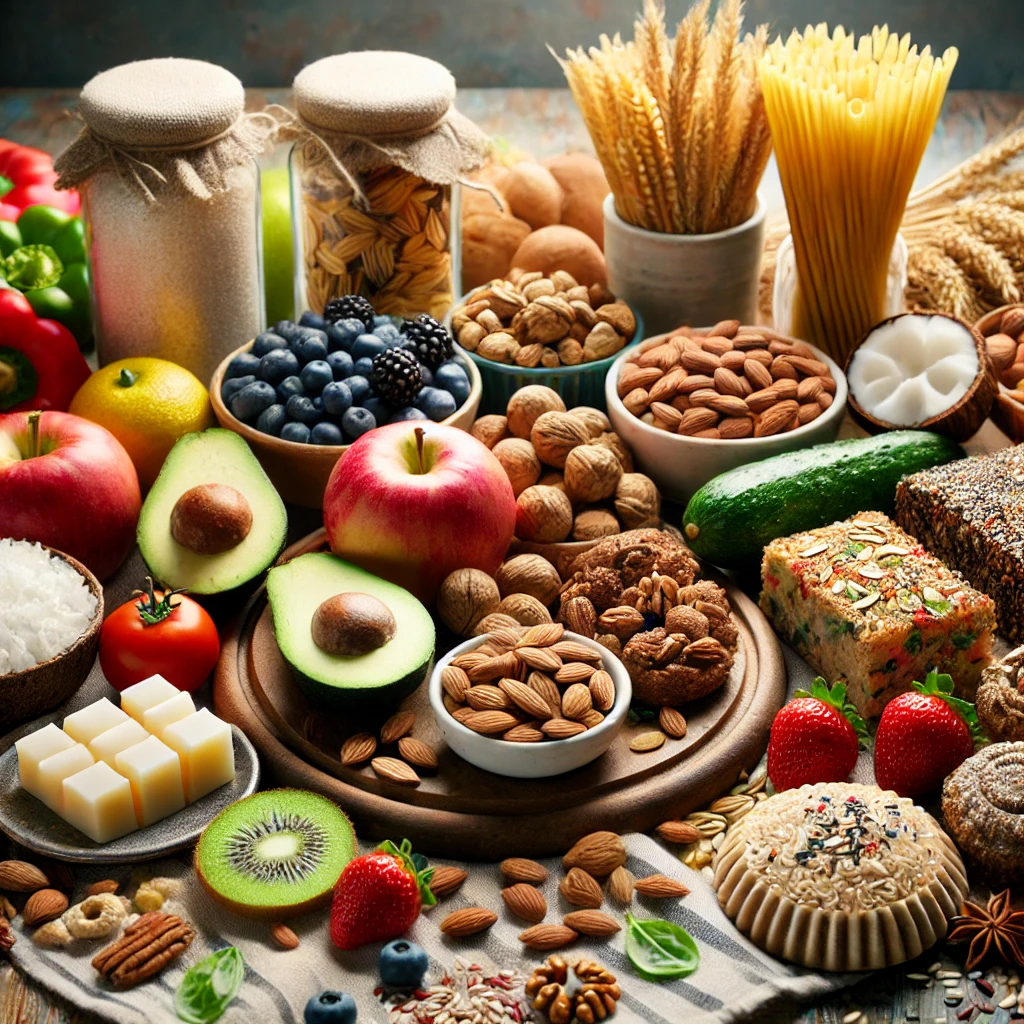
Gluten-Free Low Cholesterol Foods List
1. Fruits & Vegetables:
- Apple, banana, berries, oranges
- Spinach, kale, broccoli, carrots
2. Gluten-Free Whole Grains:
- Brown rice, quinoa, millet, buckwheat
- Gluten-free oats

3. Healthy Proteins:
- Lentils, chickpeas, tofu
- Skinless chicken, fish (salmon, tuna)
4. Healthy Fats:
- Nuts (almonds, walnuts)
- Seeds (chia, flaxseeds, pumpkin seeds)
- Olive oil, avocado
5. Dairy Alternatives:
- Almond milk, coconut yogurt, soy-based cheese
The “Why” & “How” – The Science Behind Gluten-Free and Cholesterol
In this section, we will explore the connection between a gluten-free diet and low cholesterol, and understand how this combination actually works.
When we talk about a low-cholesterol diet, “fats” are usually the first thing that comes to mind. However, the truth is that fiber is the real hero here. People following a gluten-free diet often miss out on fiber because they are not consuming wheat.
Yet, if you choose the right gluten-free grains, your cholesterol levels can drop quite rapidly. For instance, Quinoa and Buckwheat contain very high amounts of soluble fiber. This soluble fiber forms a gel-like substance within your body that “traps” cholesterol before it can be absorbed into the bloodstream.
Scientific Fact: When you consume processed gluten-free foods (such as GF biscuits or white rice bread), your blood sugar levels spike. This spike increases inflammation within the body, which indirectly boosts LDL (the “bad” cholesterol). Therefore, focusing on “naturally gluten-free” foods—such as fruits, vegetables, and seeds—remains the best strategy.
Why Follow a Low-Cholesterol, Gluten-Free Diet?
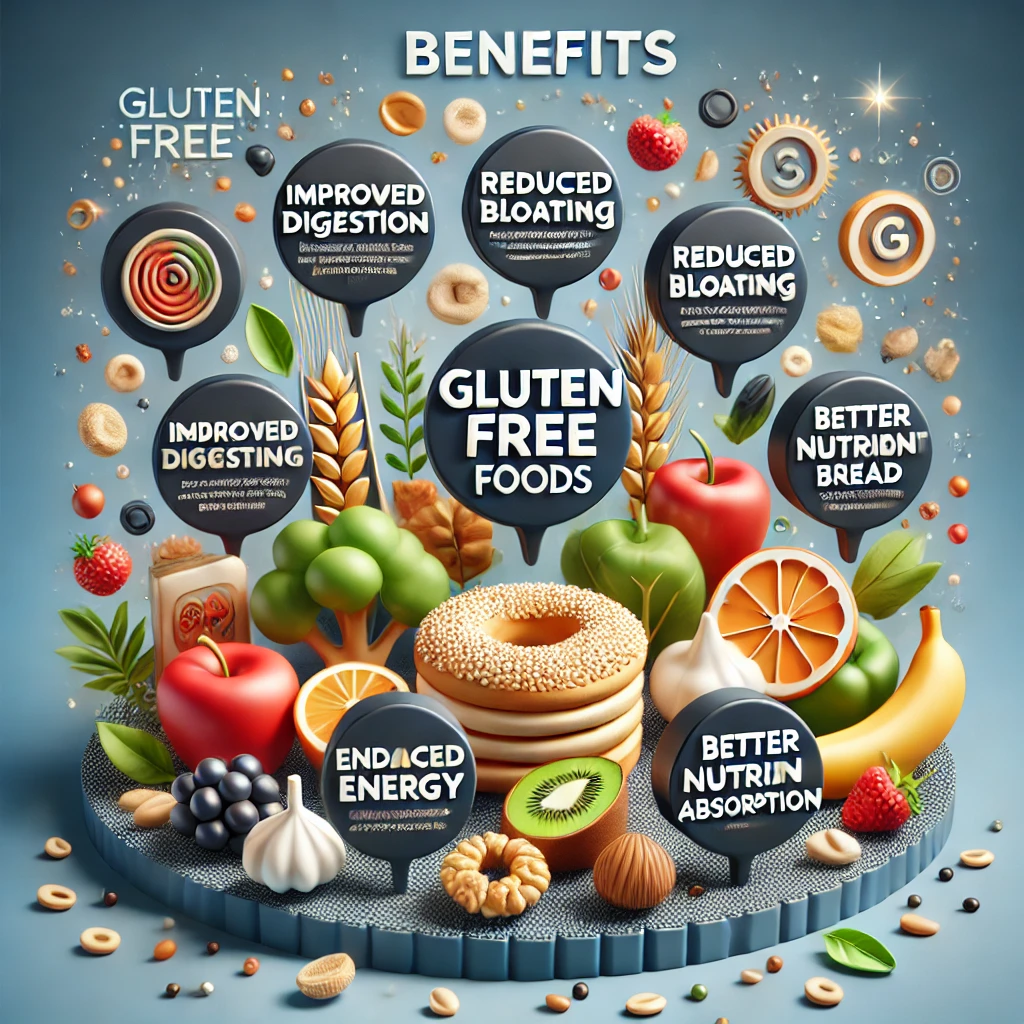
1. To strengthen the heart
Diets high in cholesterol can cause cardiovascular disorders and clogged arteries. LDL cholesterol levels can be lowered by avoiding gluten and emphasizing foods high in fiber, plant-based proteins, and healthy fats.
Scientific Reference:
The American Heart Association states that LDL cholesterol levels can be considerably lowered by following a high-fiber diet that emphasizes gluten-free grains like brown rice and quinoa.
2. To Promote Healthy Digestion
Gluten intolerance causes inflammation, indigestion, and bloating in many people. A gluten-free diet can enhance gut health and lessen these issues.
Scientific Reference:
The National Institutes of Health (NIH) claims that eating a gluten-free diet can improve cholesterol metabolism by lowering inflammatory markers.
3. Support for Weight
It supports weight loss by promoting fiber-rich, low-calorie foods that keep you full longer. It reduces processed food intake, stabilizes blood sugar levels, and boosts metabolism with healthy fats like avocados and nuts. Plus, it helps reduce inflammation and bloating, making weight management easier!
Scientific Source:
A Harvard T.H. Chan School of Public Health study found that following gluten-free diets correctly can help lower cholesterol and manage weight. (Reference)
Best Gluten-Free Cholesterol-Lowering Foods
Here are the top foods that are best for a gluten-free and heart-friendly lifestyle:
| Food Category | Examples | Benefits |
| Healthy Fats | Avocado, Olive Oil, Nuts, Seeds | Monounsaturated which reduces LDL cholesterol |
| Whole Grains | Quinoa, Brown Rice, Buckwheat | High fiber which reduces LDL cholesterol |
| Lean Proteins | Salmon, Beans, Lentils, Tofu | High protein options that are alternatives to high-cholesterol meats |
| Vegetables | Leafy Greens, Broccoli, Peppers | Loaded with High fiber and antioxidants |
| Fruits | Berries, Apples, Oranges | Pectin-rich, which reduces cholesterol naturally |
Deep Dive – Gluten-Free Grains vs. Cholesterol Levels
In this section, we will understand that not all gluten-free grains are created equal. Choosing the right grain to lower cholesterol is the real game-changer.
When people switch to a gluten-free diet, they often tend to rely heavily on rice or corn. However, if your goal is to lower your cholesterol, these are not the best options. Why? Because they contain very low levels of fiber.
1. The Power of Millets (Bajra and Jowar):
In India, millets have been consumed for centuries, and they are naturally gluten-free. Jowar (Sorghum) and Bajra (Pearl Millet) contain “phytosterols.” These are plant compounds that block the absorption of cholesterol within your body. If you replace your wheat roti with Jowar roti, you are not merely eliminating gluten; you are actively boosting your heart health.
2. Buckwheat (Kuttu) – Not Just for Fasting Days:
The name “Buckwheat” might suggest that it contains wheat, but it is actually a “pseudo-cereal” that is completely gluten-free. It contains an antioxidant called Rutin, which improves blood circulation and helps keep blood pressure under control. Its soluble fiber prevents LDL cholesterol from being absorbed and aids in flushing it out of the body.
3. Amaranth (Rajgira):
Rajgira is another miraculous grain. Research indicates that Amaranth contains specific oils that slow down cholesterol production directly within the liver. Its texture is slightly grainy, making it very easy to incorporate into porridges or salads.
Meal Timing & Lifestyle Hacks (The “Secret” Strategy)
*Knowing only *what* to eat is not enough.* When and how you eat can improve your lipid profile twice as fast.*
People often follow a diet chart diligently, but they remain unaware of their “Biological Clock.” If you are on a low-cholesterol, gluten-free diet, these hacks will prove incredibly useful for you:
1. The “Fiber First” Rule:
Always consume a plate of green salad or sprouts before starting your lunch or dinner. What does this achieve? Fiber creates a protective layer within your stomach. When you subsequently eat your main course (which may contain some fat), this fiber “soaks up” that fat and cholesterol. This strategy effectively minimizes the absorption of cholesterol into your body.
2. Dinner Timing:
Science indicates that our liver synthesizes (produces) cholesterol during the night. If you consume a heavy, gluten-free meal late at night, it places an increased burden on the liver. Aim to finish your dinner within 2–3 hours of sunset. This allows your body sufficient time to enter a “fasting state,” which naturally optimizes LDL levels.
3. Hidden Salts in GF Foods:
Did you know that “low-fat” gluten-free snacks often contain excessive amounts of sodium (salt)? While salt does not directly raise cholesterol levels, it elevates blood pressure, which in turn damages the arteries. When arteries are damaged, cholesterol tends to accumulate there more rapidly, leading to plaque buildup. Therefore, even “sea salt” or “rock salt” should be consumed in moderation.
4. The Connection Between Stress and Cholesterol:
To put it simply—stress (or “tension”) also contributes to elevated cholesterol levels. The stress hormone, Cortisol, boosts triglyceride levels. Therefore, alongside your diet, make it a point to practice 10 minutes of deep breathing exercises or meditation daily. This keeps your heart in a relaxed mode, which helps reduce bad cholesterol.
Mistakes to Avoid – Common Pitfalls on a Low-Cholesterol, Gluten-Free Journey
Here is the list of common mistakes to avoid on your journey toward a gluten-free and heart-healthy lifestyle, formatted for easy reading:
- Blindly Trusting the “Gluten-Free” Label: Many GF products available on the market contain added saturated fats and sugar to enhance their flavor. These are absolutely detrimental to your heart health. Always check the label to ensure the product does not contain palm oil or excessive sodium.
- Fearing Healthy Fats: Lowering your cholesterol does not mean you should aim for a “zero-fat” diet. Our bodies require HDL (good cholesterol). Be sure to incorporate avocados, walnuts, and olive oil into your diet; these help keep your arteries clean.
- Insufficient Water Intake: If you are following a high-fiber GF diet (including items like psyllium husk or beans), drinking adequate water is mandatory. Without sufficient water, this fiber will not digest properly, potentially leading to issues such as bloating or constipation.
- Skipping Physical Activity: It is difficult to achieve 100% results through diet alone. Engaging in 30 minutes of brisk walking or yoga daily boosts your metabolic rate, enabling your body to burn “bad fats” more efficiently.
Real-Life Case Studies
Case Study 1: Using a Gluten-Free Diet to Lower Cholesterol
John, a 45-year-old software engineer, was found to be gluten sensitive and have high cholesterol. She switched to a low-cholesterol, gluten-free diet, emphasizing nuts, quinoa, and oats.
Findings:
In three months, LDL cholesterol dropped by 22%.
A 12-pound reduction in weight
Digestion and energy levels both improved.
American Heart Association Study as a Scientific Source
Case Study 2: Heart Disease Reversal
Lisa, a 52-year-old educator, was dealing with digestive issues and elevated cholesterol. She cut back on processed foods, shifted to plant-based proteins, and adopted a gluten-free diet.
Findings:
In six months, cholesterol dropped by thirty points.
Problems with bloating decreased
Improved heart health
Harvard Health Study is the scientific source.
Frequently Asked Questions (FAQs)
1. Is oatmeal gluten-free?
Yes, but make sure it is labeled gluten-free as cross-contamination can occur.
2. What are the best gluten-free snacks that can control cholesterol?
Almonds and walnuts
Hummus and carrot sticks
Chia seed pudding
3. Can dairy be included in a gluten-free low cholesterol diet?
Yes, but choose low-fat or plant-based alternatives like almond milk or Greek yogurt.
4. Is gluten-free diet beneficial for heart health?
Yes, if you consume natural gluten-free and heart-friendly foods, it helps in reducing cholesterol.
5. Are gluten-free processed foods safe for health?
No, not always, as they can contain excess sugar and unhealthy fats. Natural whole foods are the best option.
6. Should dairy products be avoided in a low cholesterol diet?
Avoid full-fat dairy products, but you can take low-fat options or dairy alternatives like almond milk and soy-based cheese.
7. Can a gluten-free low cholesterol diet be beneficial with intermittent fasting?
Yes, this diet with intermittent fasting can be beneficial for both weight loss and heart health.
Not necessarily. While whole grains like quinoa, buckwheat, and amaranth are high in fiber and great for cholesterol, refined gluten-free flours (like white rice flour or potato starch) lack fiber and can spike blood sugar, which may negatively impact lipid levels.
Yes, but moderation is key. Most health organizations suggest up to 7 eggs per week for most people. If you are highly sensitive to dietary cholesterol, focus on egg whites or “flax eggs” for baking to keep your intake in check.
Yes, as long as they are certified “Gluten-Free” to avoid cross-contamination. Oats are rich in beta-glucan, a specific type of soluble fiber that is clinically proven to lower LDL (bad) cholesterol.
Prioritize oils high in monounsaturated fats, such as extra virgin olive oil and avocado oil. Avoid tropical oils like coconut or palm oil, as they are high in saturated fats which can raise cholesterol levels.
Be cautious. Some processed GF “fake meats” are high in sodium and saturated fats (like coconut oil). Naturally gluten-free proteins like lentils, chickpeas, and beans are much better for cholesterol management.
While some GF beverages like wine or hard cider are gluten-free, excessive alcohol can raise triglycerides. Stick to moderate consumption: one drink per day for women and two for men.
It can if you rely on processed GF products. Many GF snacks use “saturated fats” to improve texture. A whole-food, plant-forward gluten-free diet is the best way to ensure your cholesterol stays low.
Absolutely. Walnuts and almonds are excellent for heart health. Just ensure they aren’t processed in a facility that handles wheat, and stick to a small handful (about 1 oz) daily to manage calories.
If you struggle to get 25–30g of fiber from whole foods, a GF fiber supplement like Psyllium husk can be very effective in pulling cholesterol out of your system. Always consult your doctor first.
Most people see a measurable change in their cholesterol levels within 6 to 8 weeks of consistent dietary changes combined with regular physical activity.
A bowl of certified GF oatmeal topped with berries and flaxseeds, or a savory quinoa bowl with spinach and avocado, are both powerhouses for lowering LDL.
Final Thoughts
If you want to adopt a gluten-free and low cholesterol lifestyle, then include natural, whole, and unprocessed foods in your diet. Health is an investment, and eating right is a big step towards a healthy heart and digestion!
"Jaisa ann, waisa man aur tan." - Hindi Proverb
From today take care of your diet and make your heart strong!
Do you still want personalized diet tips? Comment or share your queries!
Have you ever tried a gluten-free, cholesterol-lowering diet? Share your thoughts in the comments!
Must Try our Free Tools for diet, cholesterol-friendly meals and workout generator. Comment below after using it 🙂
Affiliate Disclosure
This post may contain affiliate links, meaning I may earn a small commission if you purchase through these links at no extra cost to you. I only recommend products I trust and believe will add value to you. Your support helps keep this content free and informative. Thank you!

About the Author
Mission: Making a positive health impact on 10 million families worldwide.
Irshad Quadri helps everyday Americans take control of their cholesterol and heart health — naturally, without giving up the foods they love. At iq4u81.blog, he shares science-backed diet tips, easy cholesterol-friendly meal ideas, and practical guides trusted by readers across the USA. He is also a published Amazon Author on cholesterol health.
▶ YouTube | 📌 Pinterest | Facebook | ✉ Email | 🌳 All Links